teen

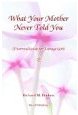
What Your Mother Never Told You


Author: Richard M. Dudum
Publisher: Island Publishing
Genre: Self-help / Teens
ISBN: 978-1-4196-7869-1
Pages: 245
Price: $14.95

Author’s website
Buy it at Amazon

Teen girls today face situations that their parents couldn’t even anticipate, let alone warn them about. Richard M. Dudum has worked with teens for twenty-eight years, and he knows what’s really going on. What Your Mother Never Told You shares his observations with girls, so they can survive this turbulent time in their lives.

Teen girls need to recognize just how special they are. Several chapters focus on the importance of maintaining a good reputation and always putting your best foot forward. A girl needs to honor and respect herself so she can make sure she doesn’t put herself in positions where her reputation will suffer.

Next the issues of sex, drugs and alcohol are covered, but not by using a lecture. Dudum doesn’t condemn or condone their use. Instead he guides girls to “trust their stomach.” He doesn’t tell them not to drink, though he does strongly encourage them to avoid alcohol. Instead he advises them on how to handle drinking – to never get so drunk that they don’t know what’s happening around them.

He talks straight on sex, explaining how boys manipulate girls just to get into their pants. And he tells them how to know when to tell a boy that he’s full of sh*t. No girl owes a boy anything – no matter what he’s said or given them.

This is a true survival guide, since many girls find themselves in very grave danger, through careless decisions or in places they have no business being. Dudum provides statistics and stories on girls who ended up either dead or sexually molested, as a reminder that there are consequences to every action.

Although it saddened me to see what teen girls face every day, this book was a wake-up call that I think girls can relate to. Dudum talks straight, in no-nonsense terms, as an adult figure they can trust. I believe this brilliant and well-written book can help girls to stay true to themselves, and avoid destructive behavior that will mar their reputations or possibly end their lives.

Reviewer: Alice Berger

self improvement, teen

I’ve Got This Friend Who…


Author: Kidspeace
Publisher: Hazelden
Genre: Self-help
ISBN: 978-1-59285-458-5
Pages: 188
Price: $14.95

Kidspeace Website
Buy it at Amazon

The pressure that teens face is intense. School makes demands on their time, and teens often feel like they need to act in a certain way to conform with their peers. This book focuses on six high risk behaviors – alcohol and drug abuse, smoking, eating disorders, self-injuring behaviors including cutting, and other high risk behavior like reckless driving and unprotected sex – and how teens can avoid getting involved in them.

The format of the book is a discussion session between six teens of various ages and experiences. Two of the teens had experienced some of the behaviors, and they could share their experience of how they got involved in the activities, and also how they managed to extricate themselves. This sharing of their experience was the strongest part of the book. As they discussed each topic, they came to the conclusion that the activity was not in their best interest, and then they devised ways they could avoid finding themselves in situations that could potentially lead to trouble.

Although the book was written from the voices of the teens, I felt that an adult was speaking through them, providing all the intellectual reasons why they shouldn’t get involved in these behaviors. More first-hand experience – for example, what happens when a teen gets arrested for stealing a car – would have been beneficial. Teens aren’t as interested in facts as they are in maintaining their sense of identity, and if they could see what happens when someone is brought into a police station in handcuffs, that might send a powerful message that it’s not as cool to engage in these activities as their peers may say it is.

I would have also liked to see more options presented for finding help, rather than the stock answer of telling their parents or a trusted adult. Many kids who fall into troublesome behavior have a poor relationship with their parents, and home is the last place they feel safe. Anonymous hotlines, 12-step groups, and a private counselor who isn’t required to “rat them out” to their parents would be their first choice. Providing a sample session with a phone counselor or explaining what happens at a 12-step meeting would give teens an idea what to expect in this situation, and help them to maintain their poise, even when admitting they need help.

Overall, though, this book definitely addresses a need in helping teens face the problems they’re dealing with today in a positive and proactive way. It uses teen language in presenting the many facts they need to know to keep themselves safe. Used in a classroom setting, it would be a great discussion starter in getting teens to think about these important topics.

Reviewer: Alice Berger